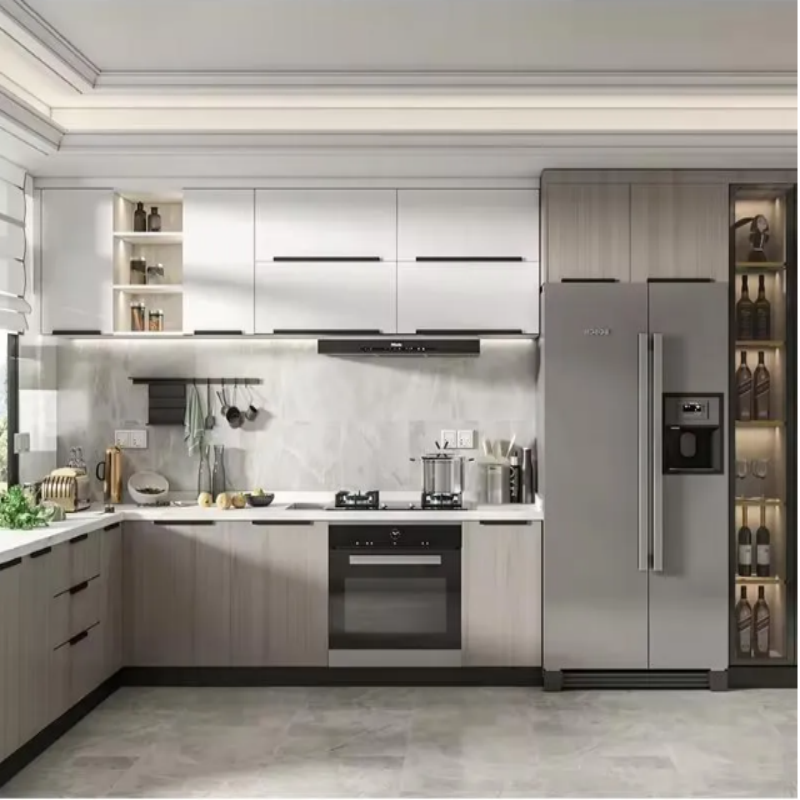
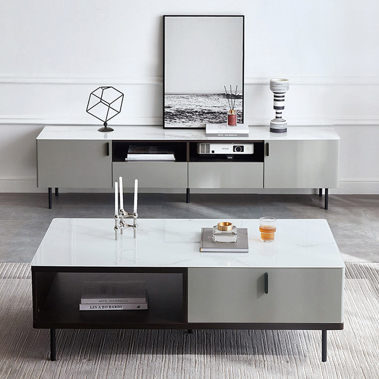
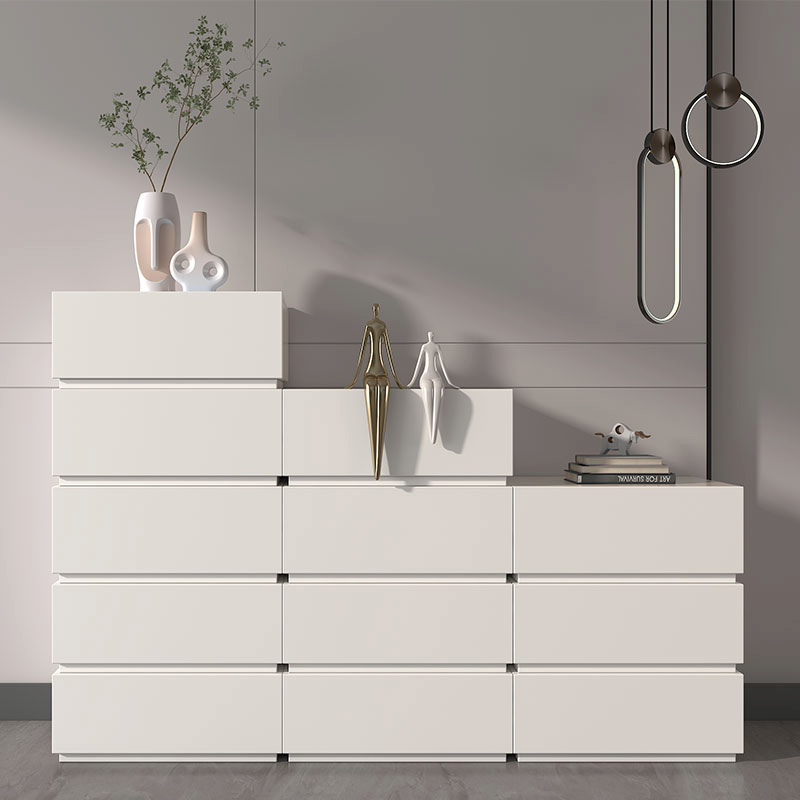
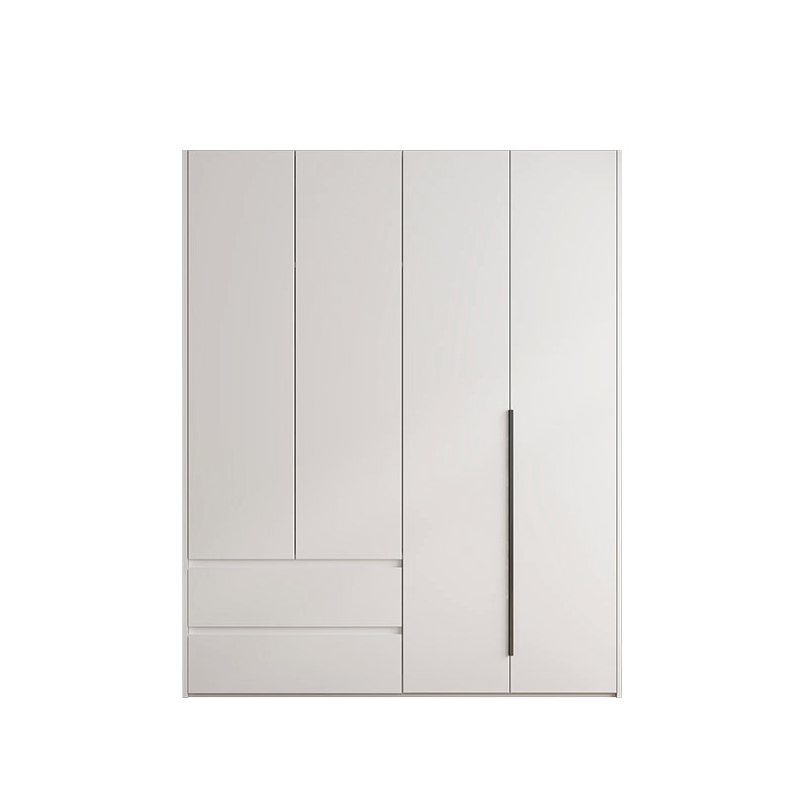
Kitchen cabinets are the backbone of a functional and aesthetic kitchen, combining storage solutions with design appeal. The choice of material directly impacts durability, performance, and long-term value, while proper maintenance ensures they retain their quality for years. Below is a detailed breakdown of popular materials, core functional advantages, and essential care tips.
I. Popular Cabinet Materials & Their Advantages
1. Solid Wood
- Composition: Crafted from natural hardwoods like oak, maple, cherry, or walnut, solid wood cabinets showcase authentic grain patterns and warmth.
- Functional Advantages:
- Exceptional durability: Resists warping and wear with proper care, lasting decades.
- Timeless aesthetic: Natural grain variations add uniqueness, complementing traditional, rustic, or high-end modern kitchens.
- Customizable: Easily stained, painted, or refinished to update the look without full replacement.
- Note: Susceptible to humidity changes, ideal for well-ventilated kitchens.
2. Plywood (Multi-Layered Wood)
- Composition: Constructed from cross-laminated wood veneers bonded with water-resistant adhesives, often finished with a wood veneer or laminate surface.
- Functional Advantages:
- Stability: Cross-grain structure minimizes warping, making it suitable for humid environments.
- Strength: Higher load-bearing capacity than particleboard, ideal for heavy countertop materials (e.g., granite).
Cost-effective: Offers natural wood aesthetics at a more affordable price than solid wood.
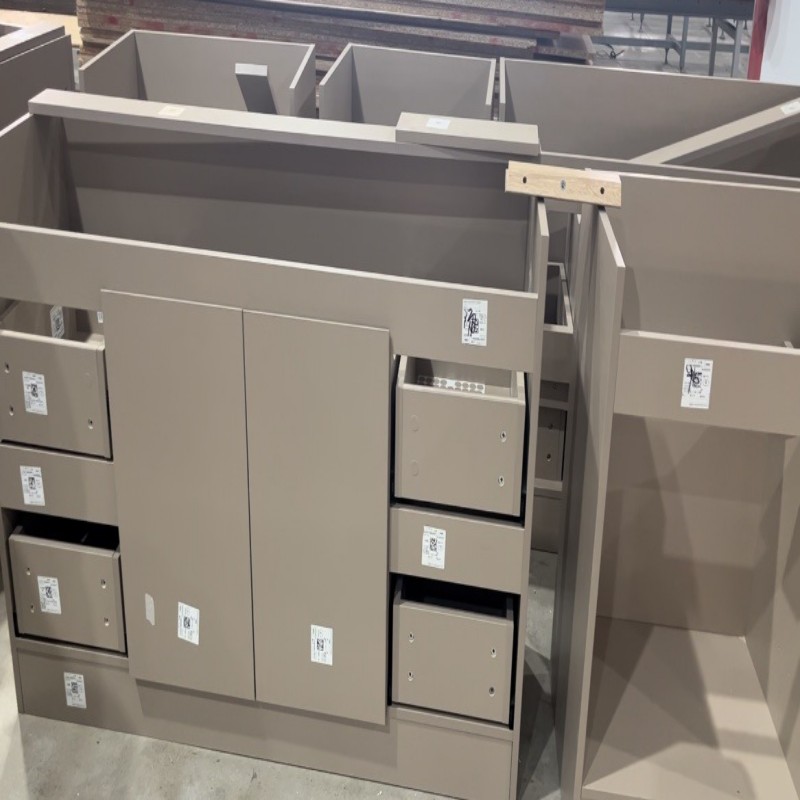
3. Particleboard (MDF Core)
- Composition: Compressed wood particles mixed with resin, coated with melamine, laminate, or thermofoil for protection.
- Functional Advantages:
- Budget-friendly: Economical option for cost-conscious renovations.
- Versatility: Smooth surface accepts various finishes, enabling modern, sleek designs.
- Easy fabrication: Precision-cutting allows for complex shapes and built-in features.
Note: Requires proper sealing to resist moisture; not recommended for areas prone to water splashes.
4. Stainless Steel
- Composition: High-grade stainless steel (304 or 316 series) for 柜体 (cabinets) and doors, often paired with wood or composite interiors.
- Functional Advantages:
- Hygienic: Non-porous surface resists bacteria, mold, and stains—ideal for professional or contemporary kitchens.
- Durability: Scratch-resistant, rust-proof, and heat-resistant, suitable for high-traffic use.
- Low maintenance: Wipe-clean surface requires minimal upkeep.
5. Quartz Composite
- Composition: Engineered stone (quartz crystals + resin) for cabinet doors or countertops, paired with wood or metal frames.
- Functional Advantages:
- Stain-resistant: Impervious to coffee, oil, and acidic substances.
- Scratch and impact-resistant: More durable than natural stone like marble.
- Consistent appearance: Uniform color and pattern, avoiding natural stone variations.
II. Core Functional Advantages of Modern Kitchen Cabinets
Beyond material-specific benefits, well-designed kitchen cabinets offer universal functional advantages:
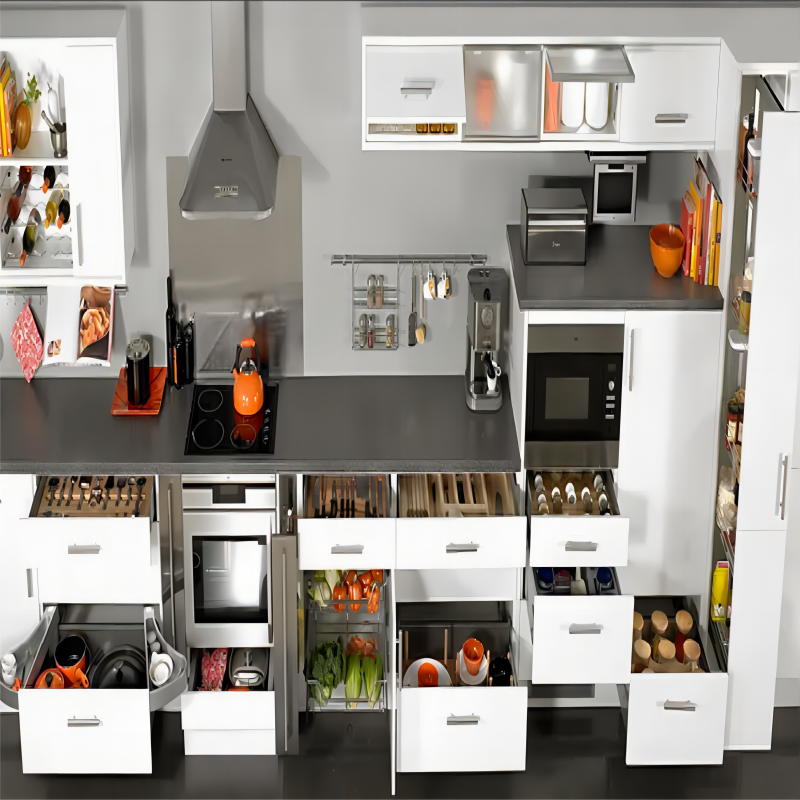
- Optimized Storage: Features like pull-out drawers, lazy Susans, vertical dividers, and corner cabinets maximize space utilization, reducing clutter.
- Ergonomic Design: Adjustable shelves, soft-close hinges, and drawer slides enhance usability—preventing slamming and reducing strain during daily use.
- Space Efficiency: Customizable layouts (base cabinets, wall cabinets, tall pantries) adapt to small or large kitchens, creating a streamlined workflow.
- Eco-Friendliness: Many cabinets use low-VOC (volatile organic compound) adhesives and sustainably sourced wood, meeting environmental standards (e.g., CARB Phase 2, EPA TSCA Title VI).
- Aesthetic Versatility: Materials and finishes (matte, glossy, wood grain, solid colors) align with diverse design styles, from minimalist to luxurious.
III. Essential Maintenance Tips by Material
Proper care extends cabinet lifespan and preserves their appearance. Follow these material-specific guidelines:
1. Solid Wood Cabinets
- Clean with a soft, damp cloth and mild soap (avoid harsh detergents). Dry immediately to prevent water damage.
- Polish every 6-12 months with beeswax or wood conditioner to nourish the grain and maintain luster.
- Avoid direct sunlight exposure—use curtains or blinds to prevent fading.
- Control kitchen humidity (40-60%) with exhaust fans or dehumidifiers to prevent warping.
2. Plywood & Particleboard Cabinets
- Wipe spills promptly with a damp cloth; avoid soaking the surface.
- Use a non-abrasive cleaner (e.g., mild dish soap + water) for stains—avoid scouring pads.
- Seal edges with silicone caulk if installed near sinks or dishwashers to prevent moisture infiltration.
- Do not place hot appliances directly on cabinet surfaces; use heat pads.
3. Stainless Steel Cabinets
- Clean with a microfiber cloth and stainless steel cleaner (or vinegar + water solution) to remove fingerprints and smudges.
- Wipe in the direction of the grain to avoid scratching.
- Avoid abrasive cleaners (e.g., bleach, ammonia) that can damage the finish.
- Polish monthly with stainless steel polish to maintain shine.
4. Quartz Composite Cabinets
- Clean with warm water and mild soap, or a non-abrasive kitchen cleaner.
- Avoid sharp objects (e.g., knives) that can scratch the surface—use cutting boards.
- Do not place hot pots or pans directly on quartz; use trivets to prevent thermal damage.
- Rinse thoroughly after cleaning to remove residue.
IV. General Maintenance Rules
- Dust cabinets weekly with a soft brush or microfiber cloth to prevent buildup.
- Tighten hinges and drawer slides annually to ensure smooth operation.
- Avoid overloading drawers or shelves (follow weight limits specified by the manufacturer).
- Use cabinet liners for base cabinets to protect against spills and scratches from cookware.
By selecting the right material for your needs and following these maintenance practices, your kitchen cabinets will remain functional, attractive, and durable for years to come—enhancing both the value and enjoyment of your kitchen space.